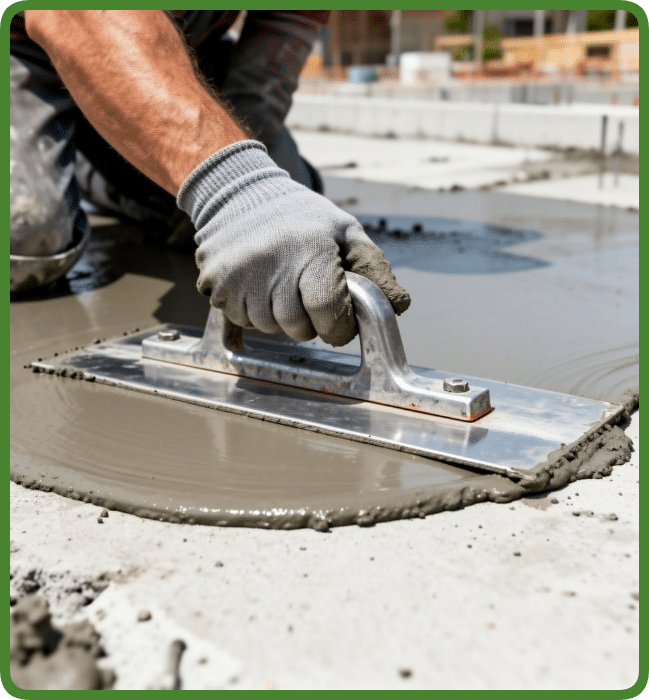

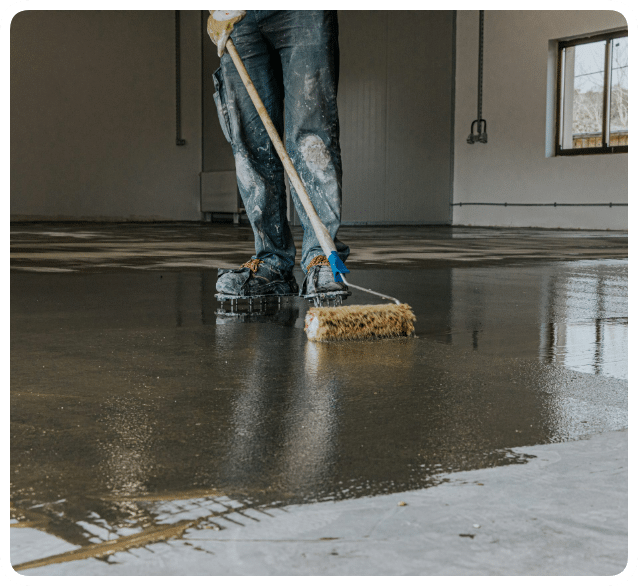
Resurfacing is the right solution when the concrete beneath the surface is still doing its job. If the slab is structurally intact, no deep cracking, no significant settling, no sub-base movement, but the surface itself has aged past the point of looking or performing the way it should, an overlay gives you a fresh result without the cost and disruption of a full replacement.
The kinds of surface conditions that resurfacing addresses well include worn or pitted finishes, widespread surface staining that cleaning cannot fully resolve, minor cracking that has not penetrated through the full depth of the slab, and finishes that have faded or deteriorated from years of UV exposure and weather. In all of these cases, the concrete underneath is still sound, it just needs a new surface on top of it.
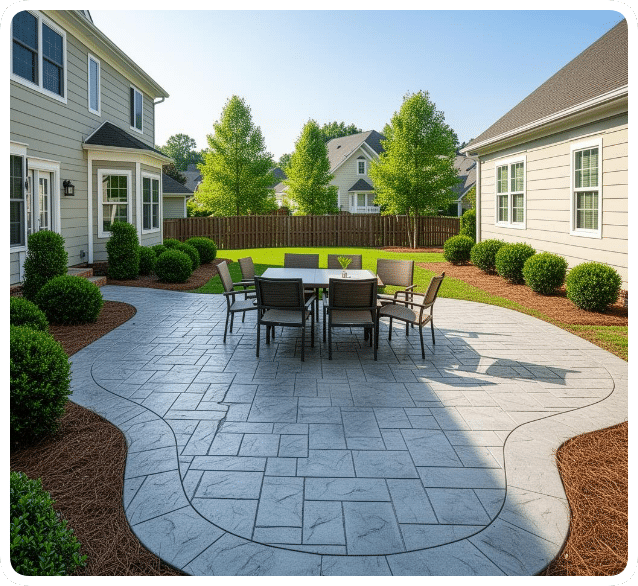
Resurfacing is also a practical choice when the goal is to change the look of an existing surface rather than simply restore it. A brushed driveway that has seen better days can become an exposed aggregate surface. A plain patio slab can be given a stamped overlay that changes the character of the space entirely. The structural investment is already in the ground — resurfacing lets you build on it rather than start over.
An overlay bonds to the existing concrete surface, which means the existing concrete needs to be stable for the overlay to perform. If the slab has deep cracks running through its full thickness, areas of significant settling or heaving, or sub-base issues that are causing ongoing movement, the overlay will reflect those problems over time. It will crack where the slab cracks. It will shift where the slab shifts. No surface treatment can compensate for structural instability underneath it.
In those situations, the right answer is to remove the affected concrete and repour it correctly. We assess every resurfacing candidate honestly during our free estimate. If the existing slab is not a suitable candidate, we will tell you clearly and give you a straightforward quote for the replacement work instead.
A resurfacing project is also an opportunity to upgrade the finish. Once the overlay is down, the same decorative options available on a new pour are available on the resurfaced surface, at a fraction of the cost of starting from scratch.
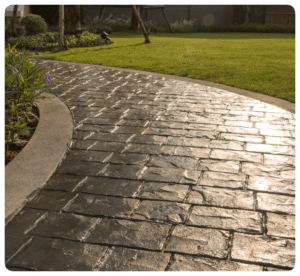
A broom finish gives you a clean, slip-resistant surface that is easy to maintain and suits most residential applications. Exposed aggregate overlay systems add texture and a natural appearance that works well for driveways and pool decks. Stamped overlays can replicate the look of slate, brick, cobblestone, or wood plank, giving an existing surface the appearance of premium materials without the premium price. Color can be introduced through integral pigments mixed into the overlay, or through surface-applied stains applied after the overlay has cured.
If you have a concrete surface that is worn, faded, or stained but still structurally sound, resurfacing is worth a conversation. We serve Richmond and all of Central Virginia. Contact us today for a free on-site estimate, we will assess the condition of your existing concrete, give you an honest recommendation, and walk you through the finish options that make sense for your project.



12631 Oaklake Crest Way, Suite 101, Midlothian, VA 23112
